Hawaiʻi out-of-home advertising case studies
How Hawaiʻi brands use JPG Media’s hotel screens, transit vans, grocery, gas, and digital placements, and how we match those venues to a campaign goal.
At a glance
These case studies show how local and national brands use JPG Media’s Hawaiʻi network: hotel lobby screens, supermarket checkout ads, mall digital screens, convenience-store placements and vehicles that run visitor and airport-shuttle routes. Because traditional roadside billboards are not allowed in Hawaii, campaigns are built from the places people already shop, stay and travel. Browse a story below, or go to Inspiration, the venues map, or the media kits to plan a buy.
Also: Inspiration · Venues map · Media kits and rate card · Get pricing
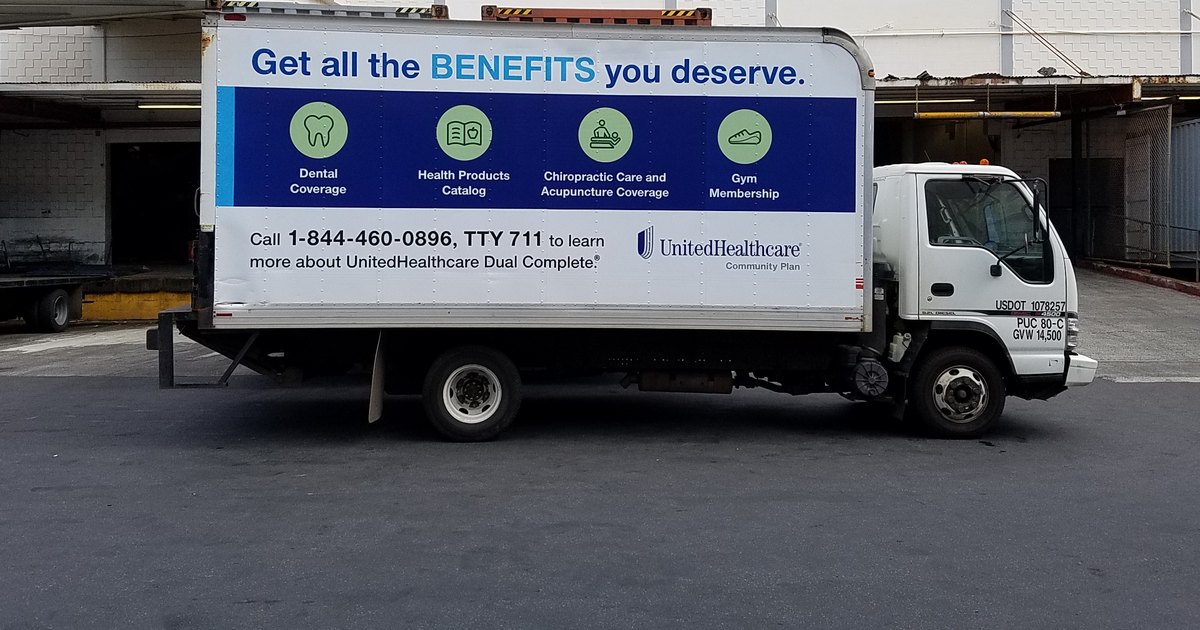
UnitedHealthcare: trucks and checkout
Mobile billboard trucks on four islands, then a checkout-domination package at Times Supermarkets: dividers, end caps, and the check counter.
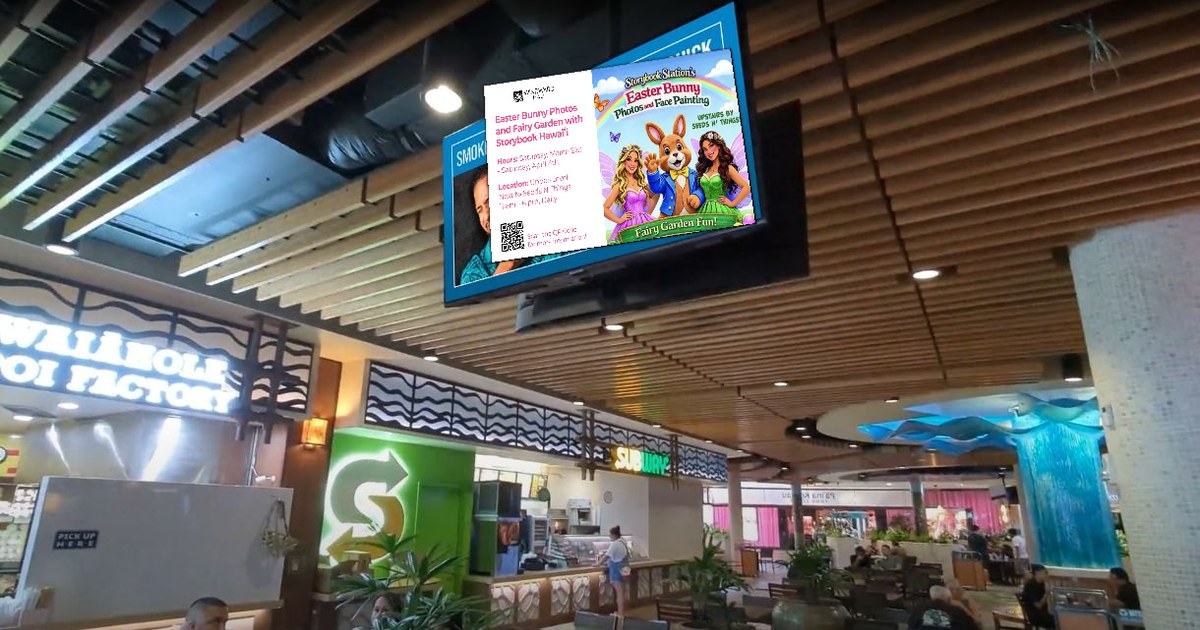
Windward Mall tenants: food court screens
Mall tenants use the Koʻolau Paʻina Food Court screens for discovery and wayfinding when their own storefront signage is limited.
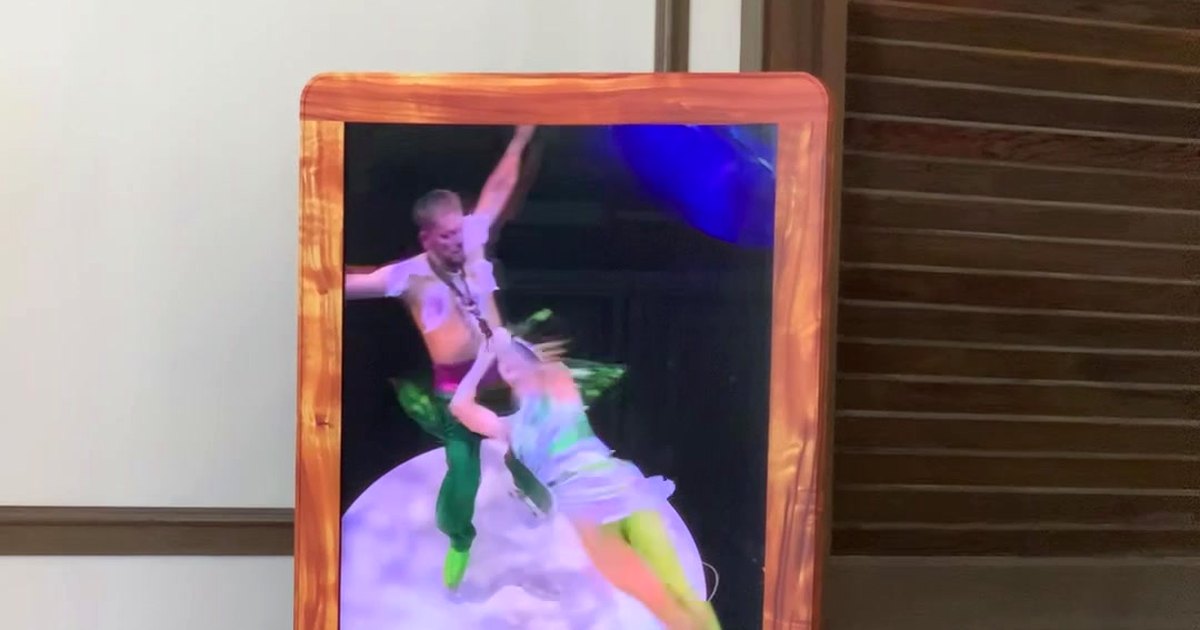
Cirque du Soleil ʻAuana
Hotel lobby screens where visitors stay, and JPG Media Fleet vans on the airport-to-Waikīkī corridor, for Cirque’s first resident show in Hawaiʻi.
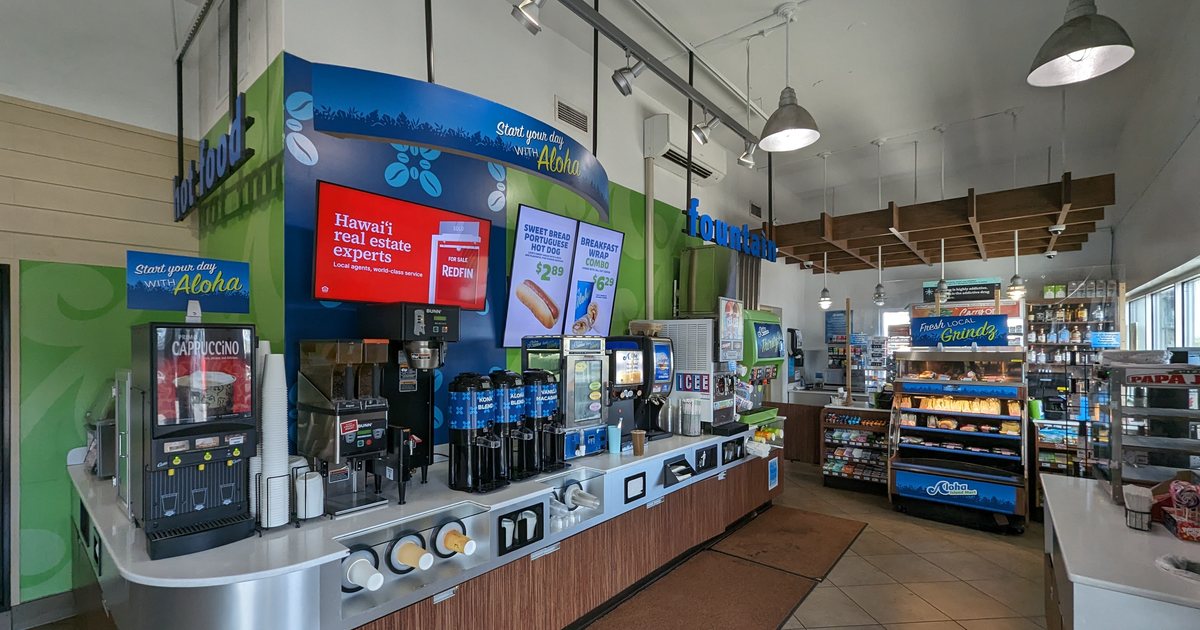
Redfin: targeted retail media
Mapped venues within a 1–3 mile radius of a direct-mail list, so a tighter Oʻahu budget stayed on the homes that mattered.
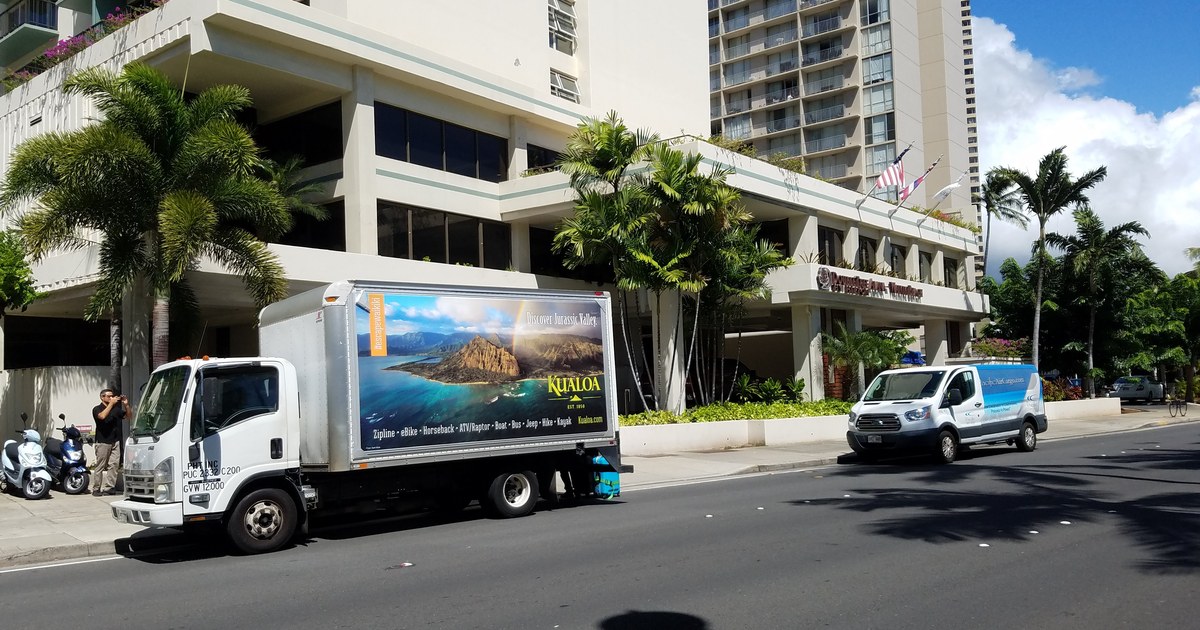
Kualoa Ranch: from trucks to hotel screens
Kualoa Ranch started with mobile billboard box trucks on Oʻahu, then expanded onto hotel digital screens so travelers can discover the ranch in the lobby.
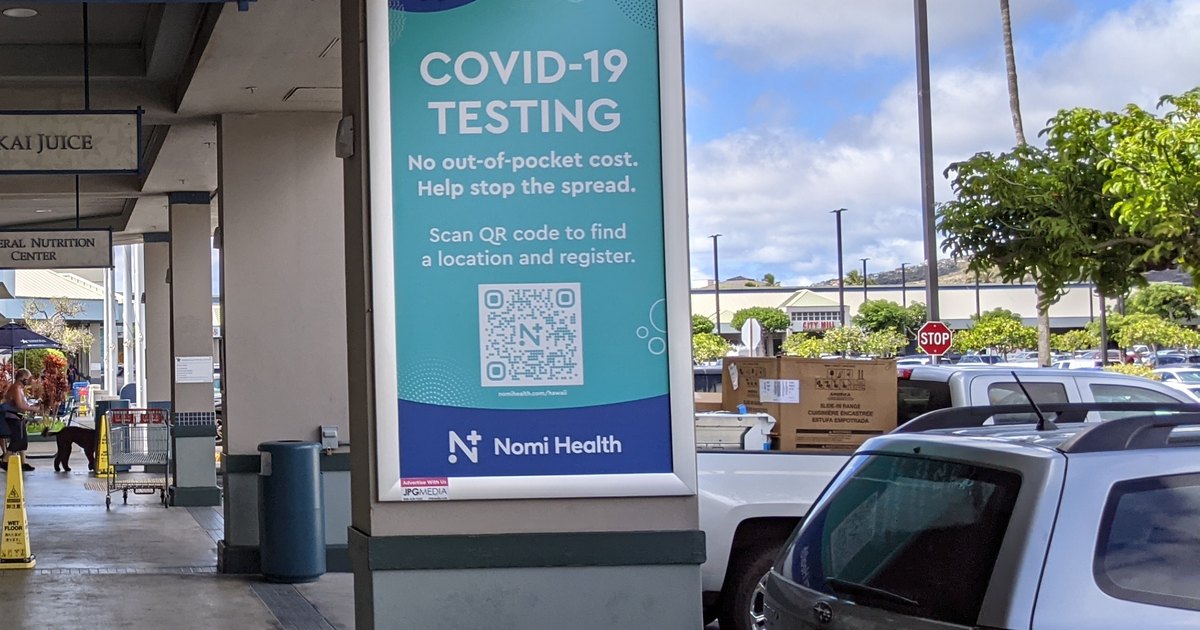
Nomi Health: statewide campaign
A banner request for testing-site signage grew into grocery, gas, 7-Eleven, and mall ads across Oʻahu and Hilo.

Reach your target audience
Using in-store out-of-home and digital placements to reach decision-makers where they already shop.
Questions about out-of-home advertising in Hawaiʻi
Are billboards allowed in Hawaii, and what are the alternatives?
No. Hawaii has banned traditional roadside billboards since 1927. Advertisers use hotel lobby screens, mall digital screens, supermarket checkout ads, convenience-store screens, pump-top ads and ads on vehicles that transport people or goods, including airport-shuttle routes.
What’s the difference between reaching tourists and reaching residents?
Hotel lobby screens and airport-shuttle or visitor-fleet vehicles are built for travelers. Cirque ʻAuana and Kualoa Ranch used those. Supermarket checkout ads, convenience-store screens and neighborhood mall screens are how campaigns like Redfin and UnitedHealthcare reached people on their regular routines. Many brands use both.
Can national brands and agencies advertise in Hawaiʻi?
Yes. These case studies include national brands and visiting shows as well as Hawaiʻi organizations. JPG Media plans the buy around where the audience actually is: hotels and visitor routes, or the stores and malls close to home.
How do I start a campaign?
Download the media kits and rate card for formats and four-week rates, browse Inspiration for creative examples, or contact JPG Media with your dates, audience and budget. Ads are subject to venue or fleet partner approval, and Hawaiʻi GET applies.
Where can I see the venues on a map?
The venues page has an interactive map of hotel screens, malls, supermarkets, convenience stores and airport-shuttle routes across Oʻahu, Maui, Kauaʻi and Hawaiʻi Island.
How is success measured?
JPG Media can provide campaign reporting such as proof of posting, play logs for digital screens, and help connecting the buy to site traffic or other goals you already track. We do not invent results numbers on these pages.